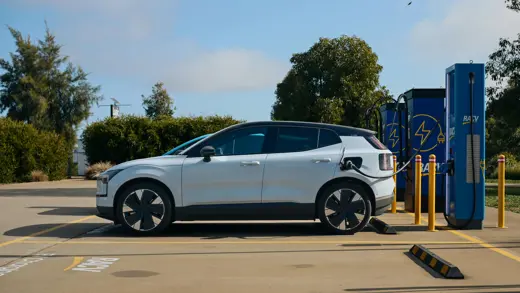
The 2025 Autumn Budget introduces a significant change for electric vehicle (EV) and plug-in hybrid (PHEV) owners: from April 2028, all EVs and PHEVs will face road-pricing charges. EVs will pay 3p per mile, while PHEVs will pay 1.5p per mile, reflecting the fact that PHEVs still pay fuel duty when running on petrol.
For a typical driver covering 8,500 miles a year, this equates to around £255 annually for EVs. Unlike petrol or diesel vehicles, EVs do not contribute fuel duty, so this new charge is intended to ensure that all drivers contribute fairly to road maintenance. As EVs become more widespread and more expensive, drivers will need to factor this into their running costs, marking a significant shift in how EVs are taxed.

Impact on EV Demand and the ZEV Mandate
This comes at a time when the UK has been experiencing steady growth in electric vehicle uptake. There are now more than 1.7 million fully electric cars on the road, representing just over 5 percent of the country’s 34 million vehicles. However, the introduction of mileage-based charging risks slowing this momentum just as adoption has begun to accelerate.
The Office for Budget Responsibility (OBR) has warned that the policy may slow the growth of electric vehicle adoption in the UK. Their analysis suggests that around 440,000 fewer electric vehicles will be sold over the next five years as a direct result of the new charges. Although other incentives may offset part of this impact, bringing the estimated reduction down by around 130,000 vehicles, the overall effect on demand remains negative.
The concern is not just about consumer behaviour but also about the industry’s ability to meet government targets. The ZEV mandate requires 52 percent of new car sales to be fully electric by 2028, but current market forecasts suggest that only 36 percent of new car registrations are likely to be EVs by that point. Cox Automotive released data in February 2025 showing that manufacturers were already expected to fall short of the ZEV mandate by more than 345,000 units by 2028.
With the OBR forecasting a reduction in demand as a result of the new mileage charge, meeting the government’s existing targets may become more challenging for manufacturers. How this plays out will depend on how buyers respond to the charges and on the wider incentives and policies in place over the coming years.
The Cost of the New Mileage Charges
For an electric vehicle driver covering around 10,000 miles a year, the new mileage charge would add approximately £300 to their annual running costs. For plug-in hybrid drivers, the additional cost would be around £150 per year.
For drivers who cover less mileage, the cost would be proportionally lower. For example, someone driving 5,000 miles a year in an EV would pay around £150, while a PHEV would pay about £75.

VED and Expensive Car Supplement Changes
Until April 2025, electric vehicle drivers benefited from a full exemption from Vehicle Excise Duty (VED), including the Expensive Car Supplement (ECS) for cars with a list price over £40,000. That full tax exemption has now ended.
As a result, EV drivers have paid VED for the first time this year, adding an extra cost to their annual budget.
These tax changes, along with the newly announced future mileage charge, are driven by a singular purpose: replacing lost revenue. As more drivers transition to electric vehicles, the government needs to replace the revenue previously generated through fuel duty. With fewer petrol and diesel cars on the road, a tax system based on mileage and standard VED aims to ensure that all drivers contribute fairly to the upkeep of the road network.
The Expensive Car Supplement (ECS) Update
Another important change in the Budget is the update to the expensive car supplement. When the ECS was introduced in 2017, it applied only to petrol and diesel cars with a list price over £40,000. Electric vehicles were exempt from this.
Since April 2025, EV drivers must pay the Expensive Car Supplement (ECS) if the vehicle’s original list price was over £40,000. The ECS is £425 per year, and it is charged for five years only. It starts from the second year after the vehicle was first registered.
You pay the ECS whether the car is brand new, used, bought, or leased, if the car was originally priced above £40,000.
Once the vehicle becomes over five years old, the ECS stops, and you no longer have to pay it.
However, the 2025 Autumn Budget delivered a key mitigation. From April 2026, the rules for EVs will change again: the threshold for electric vehicles only will increase to £50,000, while petrol and diesel cars will continue to use the original £40,000 limit.
This change is significant as the average new EV often falls within the £48,000 to £50,000 price range. By raising the limit to £50,000, many electric vehicles will not be subject to this annual charge. The change better matches the current EV market, as EVs today cost far more on average than they did when the rules were first introduced in 2017.
Electric Mileage Charges: What Do We Know So Far?
One practical challenge will be tracking mileage accurately. While authorities may consider using annual MOT tests to monitor distance driven, this approach won’t work for brand-new cars, which don’t require an MOT for the first three years. The government is still in the consultation phase, and the current plan is for drivers to estimate their annual mileage at the start of the year, with charges based on that estimate. Actual mileage will then be verified, usually at the yearly MOT test.
For vehicles under three years old, drivers may need to attend a local garage for a mileage check. If you’ve driven fewer miles than estimated, you could receive a credit for the following year, while driving further than planned means paying the difference. How this will be handled for drivers who use their EVs abroad also remains to be clarified.
With implementation still three years away, it will be interesting to see how these practical hurdles are addressed and how drivers adapt to a system based on actual mileage.