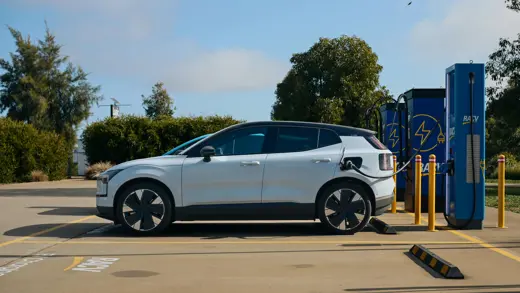
For fleet operators, this Budget brings some clarity but also introduces new cost pressures to consider, especially around whole-life costs. With EVs and PHEVs now facing mileage-based charging, understanding the true long-term cost of each vehicle is becoming more important.
The updated Expensive Car Supplement threshold goes some way to balancing this. Raising it from £40,000 to £50,000 means many EVs that previously fell into the supplement will now avoid it. For some fleets, this saving may offset part of the new mileage charge, particularly for models priced just above the old limit.
Overall, whole-life cost assessment matters more than ever. Purchase price, tax, mileage-based charges and day-to-day running costs all need to be kept up to date so decisions are based on accurate information.

Mileage-based charge
One of the headline changes is the introduction of a new pence-per-mile charge. Fully electric vehicles will pay 3 pence per mile, while plug-in hybrids will pay 1.5 pence per mile. The lower rate for PHEVs reflects the fact that they already contribute to fuel duty.
This shift comes on top of several other changes that increase the cost of running electric fleets. Key incentives have either been removed or reduced, including the end of VED exemptions for EVs in April 2025. Benefit-in-Kind (BiK) rates are also rising steadily. BiK for zero-emission electric cars is set at 3% for 2025/26 and will increase each year until it reaches 9% by 2030.
Looking at the impact of the new charges, if the average EV in a fleet covers 10,000 miles per year, this would add roughly £300 per vehicle in additional costs. For a higher average of 15,000 miles per vehicle per year, the cost rises to around £450 per vehicle. For larger fleets, the impact multiplies accordingly. A fleet of 10 EVs at 10,000 miles each would see an extra £3,000 per year, while a fleet of 100 vehicles could face around £30,000 per year in additional mileage-based charges.
Expensive Car Supplement (ECS) change
The ECS threshold for zero emission cars rises from £40,000 to £50,000 on 1 April 2026. This is a helpful change for fleets. Under current rules, EVs lose their VED exemption in April 2025 and anything over £40,000 is charged £425 per year for five years.
With the higher threshold in place:
- Zero emission cars priced between £40,000 and £50,000 will no longer pay the supplement once the new rules begin
- Because the change is applied retrospectively, most EVs registered from 1 April 2025 will avoid the charge entirely
- Vehicles that take their second year licence before April 2026 will pay only one year of ECS instead of the full five
This reduces ownership costs and makes it easier to predict whole-life costs for mid-priced EVs. It also improves the case for choosing models that previously sat just above the old £40,000 limit.
This adjustment applies only to zero emission vehicles. Petrol, diesel and hybrids remain under the £40,000 threshold.
From April 2026, any zero emission vehicle whose licence begins on or after that date will be assessed under the £50,000 threshold. This should make longer term planning more straightforward.
Impact on model choice
The higher threshold brings more EVs in the £40,000 to £50,000 range into scope for fleets. These are often models with better range, performance, and equipment levels. For example, the Polestar 2 is priced at around £45,000 and the BMW iX1 starts at roughly £43,000. Both now fall below the new limit from April 2026, making them more viable choices for fleets seeking higher-specification EVs without incurring the additional expensive-car supplement.
Fuel duty: stable for now, rising later
Fuel duty stays at 52.95 pence per litre until April 2026, and the temporary 5 pence cut remains in place until March 2026. This gives petrol and diesel fleets a short period of stable running costs.
However, the freeze has significantly reduced government revenue. The OBR estimates that keeping duty unchanged has cost the Treasury around £100 billion since 2011. This pressure means the current position cannot continue.
Fuel duty will begin rising from September 2026. The staged increases will remove the 5 pence cut and may include inflation-based rises. Together, these could take fuel duty 7 to 10 pence per litre higher.
For a fleet using 500,000 litres of fuel per year, a 10 pence rise would add around £50,000 in annual cost. With the timeline already set out, early planning is important.
Extension to First-Year Allowances
The government has extended the 100 percent first year allowance for qualifying zero emission cars and EV charge point equipment by one year. This means businesses can continue claiming full tax relief in the year of purchase until:
- 31 March 2027 for Corporation Tax
- 5 April 2027 for Income Tax
This allowance has become more focused over the years, with eligibility limited to zero emission cars from April 2021. A similar incentive for charge points has been available since 2016. Extending both measures helps lower upfront costs for businesses investing in cleaner vehicles and infrastructure.
Around 19,000 businesses are expected to benefit from this policy each year, and the administrative impact remains small.
Planning Ahead
The Autumn 2025 Budget has brought both clarity and new challenges for fleet operators. While incentives such as VED exemptions and lower BiK rates have helped make EVs and PHEVs more affordable in recent years, the introduction of mileage-based charges, rising BiK rates, and the gradual phase-out of certain benefits mean that running electric fleets is now more complex and costly.
The adjustments to the Expensive Car Supplement threshold, raising it from £40,000 to £50,000, provide some relief for mid-priced zero-emission vehicles, making whole-life cost planning more predictable. At the same time, mileage-based charges and rising BiK rates mean fleet operators must carefully model running costs, replacement cycles, and total ownership costs over the lifetime of each vehicle.
Fleet operators should approach the coming years with a comprehensive whole-life cost perspective, considering purchase price, running costs, tax changes, and environmental benefits together. By doing so, fleets can continue to expand their electric and plug-in hybrid vehicles efficiently, while staying ahead of regulatory and cost pressures.