
What if the small scuff on your alloy wheel ends up costing you double the price of a professional repair?
Many drivers use this returning a leased car with damage guide to avoid the sense of dread that often accompanies a final inspection. It's a common worry, especially when the line between fair wear and tear and chargeable damage feels blurry and confusing.
We understand that you want a smooth transition to your next vehicle without any financial surprises. You deserve a process that's transparent and straightforward. This article provides the clarity you need to manage the return with confidence.
You'll learn how to identify issues that fall outside of BVRLA standards and discover why proactive repairs are usually your best strategy for saving money.
Our expert advice covers everything from the "credit card test" for scratches to the specific 4/32 cm tread depth requirements for your tyres.
We'll help you decide whether to fix the damage yourself or wait for the funder's assessment, ensuring your vehicle collection is completely stress-free.
Key Takeaways
- •
Understand the industry standards set by the BVRLA to differentiate between expected ageing and chargeable damage.
- •
Use our returning a leased car with damage to identify specific thresholds for scuffs and dents that might lead to unexpected invoices.
- •
Learn why organising your own SMART repairs for minor imperfections is often more cost-effective than paying funder penalties and admin fees.
- •
Master the art of a DIY pre-return inspection by using the right lighting and cleaning techniques to spot every potential issue.
- •
Discover the crucial differences between collection agents and professional inspectors to ensure a smooth handover on your final day.
Table of Contents
Speak to us about your vehicle return or your next lease by getting in touch with our expert team.
Understanding Fair Wear and Tear and Vehicle Damage
Fair wear and tear is the natural, expected ageing of a vehicle that occurs during your lease period. It isn't just a vague concept. It's a specific set of rules that protects you from unfair charges.
When you return a leased car with damage, you'll see that funders expect a car to look used, but not abused. They understand that a vehicle won't stay in showroom condition forever, and they account for this in their calculations.
The British Vehicle Rental and Leasing Association (BVRLA) sets the industry benchmark for these standards. Their guidelines ensure that every driver is treated fairly across the UK. Understanding Your Lease Agreement means recognising that your vehicle's age and mileage play a significant role in the inspection process. With EV lease returns projected to increase by 230% in 2026, funders are becoming more meticulous with their assessments.
A car with 60,000 miles on the clock isn't expected to look as pristine as one with 10,000 miles. Standards are adjusted to reflect the life the car has actually lived.
There is a clear line between acceptable deterioration and neglectful damage. Small stone chips or light surface scratches that don't break the paint are usually fine.
Neglect is different. This happens when a driver ignores routine maintenance or causes a significant impact through poor driving. If you're currently using fleet management services, your provider likely tracks these issues to prevent big bills at the end of the term.
The BVRLA Standard Explained
The BVRLA handbook is the definitive guide for vehicle inspections. It covers every inch of the car, including paintwork, glass, and interior trim. Every major funder uses these guidelines to ensure consistency.
You can usually request a digital copy of the summary from your leasing company. It's your best tool for spotting what will pass and what will fail before the inspector arrives at your door.
Damage that Falls Outside Fair Wear and Tear
Certain types of damage will always attract a charge. Deep scratches that expose the primer or bare metal are a major red flag.
These can lead to rust and require professional bodywork. Impact damage to the engine or the underside of the car also falls outside the scope of fair wear and tear. Tyre tread depth is another critical area. A common standard for excessive wear is a tread depth of less than 4/32 of an cm. If your tyres are below this, you'll likely be billed for a replacement set.
Inside the cabin, upholstery burns or heavy stains that won't come out with a standard valet are considered excessive. If you've opted for electric car leasing, check your charging cables and ports. Damage in these areas is often expensive to rectify.
Prepare for your vehicle inspection and avoid surprise charges by speaking with our leasing experts today.

Most Common Types of Damage Found During Inspections
Inspectors look for specific patterns of use that exceed the standard expectations for a vehicle's age. Alloy wheel kerbing remains the most frequent issue flagged during final handovers. While light surface scuffs are often overlooked, any deep gouges or structural damage to the rim will trigger a charge.
This guide on returning a leased car with damage helps you spot these issues early and take action. Bodywork dents are another high-risk area, and the rules here are very precise. The maximum acceptable dent size is 10mm provided the paint is not broken. If a dent is larger than this or has cracked the paintwork, the funder will likely bill you for a full panel repair.
Windshields require careful scrutiny because they directly impact safety. Any chips or cracks within the driver's direct line of sight, often called Zone A, are considered excessive damage.
Even small chips outside this area can be a problem if they are larger than 10mm. Inside the cabin, inspectors check the condition of every electronic feature and dashboard surface. They look for scratches on infotainment screens, broken air vents, and significant stains on the upholstery.
Keeping your interior tidy and functional is just as important as maintaining the exterior finish.
Exterior Paintwork and Wheels
Small stone chips are usually accepted as part of daily driving, but significant panel damage is not. If you have several chips on a single panel that have led to corrosion, you will face a penalty.
Previous repairs can also cause problems if they weren't finished to a professional standard. Mismatched paint colours or visible sanding marks often result in the funder charging to redo the work.
Kerbing damage on diamond cut alloys is particularly expensive to rectify compared to standard silver finishes. You should check your wheels thoroughly for any signs of white corrosion or milky patches under the lacquer, as these indicate the seal has been broken.
Electric Vehicle Specific Considerations
Drivers of electric cars on lease must account for specific hardware that doesn't exist on petrol cars. Missing or damaged charging cables are a major source of end-of-contract fees. These cables are expensive to replace, and funders will charge you the full retail price plus an admin fee if they aren't in the boot.
If you are on an Electric Vehicle Salary Sacrifice scheme, ensure your battery health report is accessible through the car's menu if the inspector asks for it. You should also check the charging port for any cracks or debris that might prevent a secure connection. If you're unsure about your specific return requirements, it's always best to get in touch with our team for advice.
Comparing the Costs of Repairs versus Funder Charges
Deciding whether to open your wallet now or wait for a bill later is the toughest part of the return process.
This guide to returning a leased car with damage helps you weigh up the financial pros and cons of both options. Generally, funders charge more for repairs than an independent garage because they include the cost of the repair plus a markup for their time and effort.
They also apply an administrative fee to every single itemised bit of damage, which can quickly turn a few small scuffs into a massive invoice.
However, you must be careful. Using an unapproved body shop for significant repairs can backfire. If the paint match isn't perfect or the finish is poor, the inspector will likely flag it as a sub-standard repair.
In these cases, you might end up paying twice, once for the initial fix and again for the funder to redo it properly. For certain items like cracked windscreens, some funders actually prefer you to leave the damage alone.
This allows them to ensure the replacement glass meets their specific safety and sensor calibration requirements, especially on modern cars with advanced driver assistance systems.
When to Use SMART Repairs
SMART technology is a game-changer for lease returns. It stands for Small Medium Area Repair Technology and focuses on fixing the specific damaged spot rather than repainting an entire door or bumper. This method is perfect for minor scratches, bumper scuffs, and small dents that haven't broken the paint.
Mobile repair services are incredibly popular because they can come to your home or office and often finish the job in a few hours. Typical costs for alloy wheel refurbishment in the UK are significantly lower than the replacement fees a funder would charge, making this a proactive way to protect your budget.
The Financial Impact of Funder Recharges
Funders don't just look at the cost of the paint. They calculate the loss in the vehicle's resale value caused by the damage. This is why a small scratch can feel like an expensive penalty. In addition to the repair cost, you will incur administrative processing fees that cover the inspector's time and the logistical effort of moving the car to a repair centre.
For businesses managing multiple vehicles, keeping track of these potential costs is vital. Using fleet management software for SMEs can help you log damage throughout the lease and decide which repairs are worth the investment before the contract ends.
If you need help preparing your vehicle for its final inspection, contact our expert team for professional advice.
How to Perform a Pre-Return Vehicle Inspection
Don't leave your final check until the day before the collection agent arrives. By following this guide to returning a leased car with damage, you can identify issues early enough to arrange cost-effective repairs. Conducting your own thorough check at least ten weeks before the contract ends gives you a vital window of opportunity.
This timeframe allows you to book SMART repairs or source replacement parts without the pressure of a looming deadline. You must also gather all necessary documentation, including the service book, manual, and any MOT certificates, to ensure they are ready for the inspector.
A dirty car is an inspector's best friend because mud and grime easily hide small dents or scratches. Clean your vehicle inside and out to a professional standard before you begin your walkaround.
Choose a dry day with good natural light, but avoid direct, midday sun, which can create harsh reflections that mask imperfections. If you discover significant damage during your walkaround, get in touch with us to discuss how this might affect your next lease agreement.
The Exterior Walkaround
Inspect every panel from multiple angles. Crouch down and look along the side of the car to see if the reflections are distorted by small dings. Check every light lens and mirror for cracks or chips, as these are common failure points.
You should also verify your tyre tread depth using a proper gauge. Remember that industry standards, such as those from the BVRLA, often flag anything below 4/32 of an cm as excessive wear that requires a replacement set before return.
Interior and Mechanical Checks
Sit in the driver's seat and test every electronic function. From the sat nav and infotainment screen to the electric windows and sunroof, everything must function as intended. Ensure both sets of keys are present and have working batteries. Drivers on a salary sacrifice scheme should pay extra attention to interior cleanliness.
These vehicles are often expected to be returned in a condition that reflects professional use, so ensure all personal items are removed, and any upholstery stains are professionally treated.
Ready to move into your next vehicle? Get in touch with our team to explore our latest leasing options and start your next journey.
Final Steps for a Smooth Lease Return Process
Booking your collection date requires at least two to four weeks of lead time to ensure a slot that suits your schedule. This guide on returning a leased car with damage emphasises that the person who arrives at your driveway might not be the final judge of the car's condition.
There is a significant difference between a collection agent and a professional inspector. Often, the person collecting the car is simply a delivery driver tasked with moving the vehicle to a central hub.
The actual, detailed inspection might happen days later at a depot. You should always clarify which process your funder uses so you aren't surprised by a bill that arrives weeks after the car has left your sight.
Your final mileage reading is just as important as the physical condition of the bodywork. Take a clear, dated photo of the odometer before the keys change hands. If you've exceeded your contracted mileage, the funder will calculate the excess charge based on the specific pence-per-mile rate found in your agreement.
Recording this figure yourself prevents any disputes regarding miles added during the vehicle's transit to the auction house or storage centre. It's a simple step that provides vital protection for your bank balance.
The Day of Collection
On the day of return, your smartphone is your most powerful tool for creating a solid paper trail. Take high-resolution, time-stamped photos of every panel, the wheels, the glass, and the interior upholstery.
This evidence is undeniable if the funder later claims damage occurred whilst the car was in their possession. Review the collection note with extreme care before signing anything. This document has significant legal weight in the event of a dispute. If the agent marks down damage you disagree with, write "Disputed" clearly next to that specific item and take a photo of the signed note.
Never feel pressured to sign an assessment that you believe is inaccurate or unfair.
Post Return Procedures
If a damage invoice arrives in the post weeks later, stay calm and review the evidence provided. You have the right to request an itemised breakdown and high-quality photographic proof of every charge.
If the funder cannot prove the damage exceeds BVRLA standards, or if your own photos show the car was in better condition when it left, you can launch a formal appeal. The BVRLA offers a dedicated dispute resolution service that acts as an independent adjudicator for these disagreements.
Once you have successfully closed your account and settled any final details, you'll likely be ready for your next vehicle. Our business car leasing UK guide provides a strategic look at how to choose your next fleet addition with confidence.
Get the support you need for a hassle-free handover by contacting our experts.
Master Your Next Lease Handover
Handing back your vehicle doesn't have to be a source of anxiety. By following this guideto returning a leased car with damage, you've gained the tools to spot issues before they lead to costly penalties.
You now know that proactive SMART repairs and a thorough pre-return clean are your best defences against high funder invoices. These small steps ensure your transition to a new vehicle is as smooth as possible.
Our UK-based team is here to provide expert guidance on BVRLA fair wear and tear standards. We offer transparent fleet management solutions that take the guesswork out of vehicle returns and help you maintain a clear paper trail.
Whether you're managing a single car or a large fleet, we're dedicated to making your experience stress-free and straightforward. We'll help you navigate the final inspection with total confidence.
Contact the Fleetsauce team for expert lease return support and start your next journey today.
Frequently Asked Questions
What happens if I return a leased car with a scratch?
Surface scratches that don't break the paint and are under 25mm in length are usually accepted as fair wear and tear.
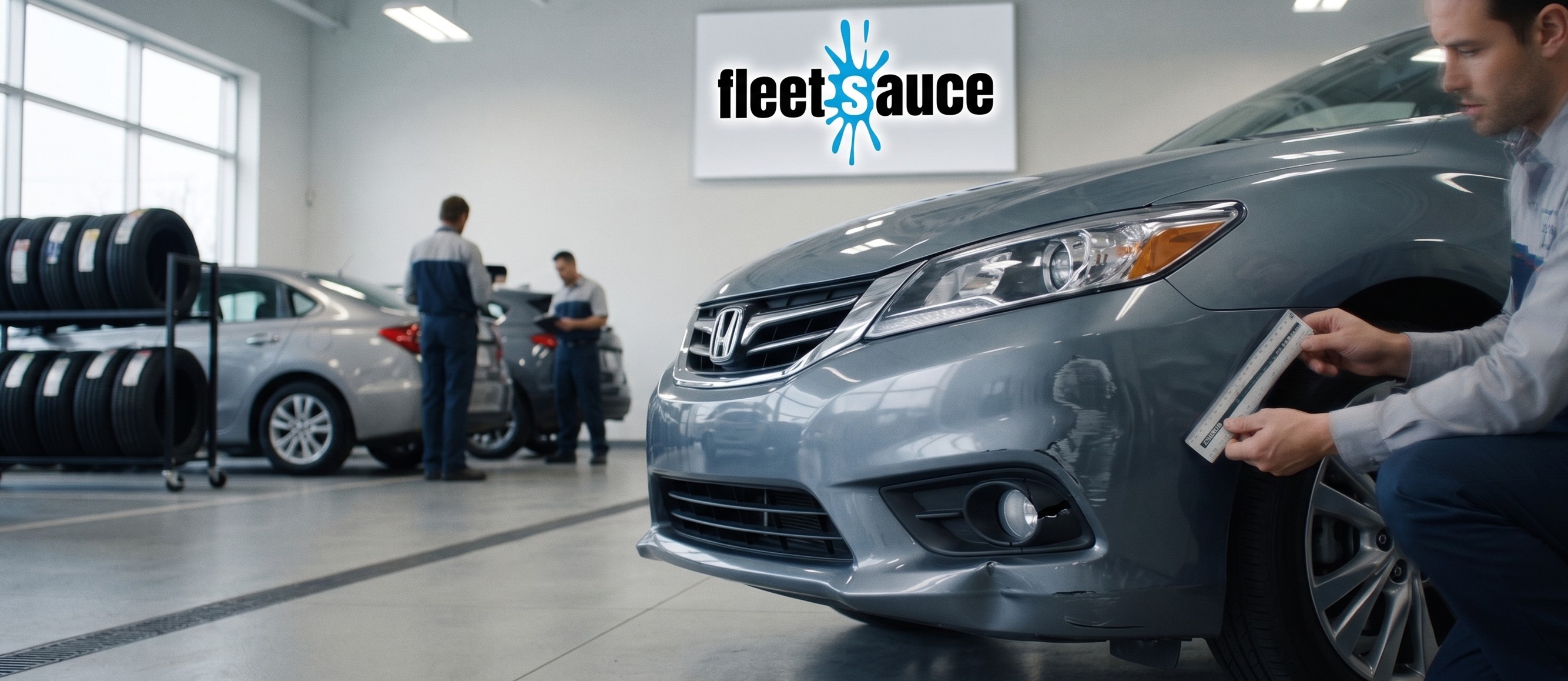
However, if the scratch is longer than 25mm or deep enough to expose the metal or primer, the funder will charge for a panel respray. This guide for returning a leased car with damage suggests measuring any marks with a ruler to see if they exceed the standard thresholds before your handover date.
Can I use my own mechanic to fix the lease car damage?
You can use an independent garage for repairs, but the work must be completed to a professional standard. Funders will reject any repairs that show visible paint runs, mismatched colours, or poor alignment.
If the inspector flags a substandard repair, you will be charged by the funder's approved body shop to have the work done again. It is often safer to use a specialist who understands BVRLA return standards.
What are the charges for kerbed alloy wheels on a lease?
Charges for wheel damage vary between funders, but you can expect to pay significantly more than the cost of a local refurbishment. Industry data indicates that leasing companies often charge between £120 and £240 per wheel, whereas a local specialist might charge half that amount.
These fees often include an administrative processing charge. Always check your specific contract for the exact penalty rates applied by your finance provider.
Is a cracked windscreen considered fair wear and tear?
No, a cracked windscreen is never considered fair wear and tear and will always result in a charge. Any chips or cracks within the driver's direct line of sight, known as Zone A, are classified as a failure.
Even small chips outside this area can be problematic if they are larger than 10mm. It is usually much cheaper to have these repaired through your own insurance before returning the vehicle.
Do I need to get the car professionally valeted before returning it?
You don't strictly need a professional valet, but the car must be returned clean and tidy. If the interior has significant stains, unpleasant odours, or evidence of smoking, the funder will bill you for a professional deep clean.
This typically costs between £100 and £200. Taking the time to vacuum the carpets and wipe down the surfaces yourself can prevent these unnecessary end-of-contract fees.
What should I do if I disagree with the damage charges?
You should immediately dispute the charges in writing to the leasing company and provide your own evidence. Use the time-stamped photos you took on the day of collection to prove the condition of the car when it left your possession.
If the funder does not resolve the issue to your satisfaction, you can escalate the complaint to the BVRLA. They provide an independent Alternative Dispute Resolution service to settle such disagreements fairly.
Will I be charged for a missing service book or spare key?
Yes, missing equipment is not covered by fair wear and tear and will result in a substantial invoice. Modern spare keys are expensive to replace and often require professional programming, which can cost upwards of £200. Similarly, a missing service history significantly reduces the vehicle's resale value. Ensure all keys, manuals, and service records are placed in the glovebox or handed directly to the collection agent to avoid these penalties.
Can I return my lease car early if it has damage?
You can return a car early, but you will still be liable for any damage beyond fair wear and tear, as well as early termination fees. The inspector will conduct the same rigorous check regardless of when the contract ends.
It is usually more cost-effective to repair any dents or scuffs before requesting an early return. This ensures you aren't hit with a combined bill for both the remaining finance and the vehicle's condition.

Guide Verified & Audited By
Director at Fleetsauce


