
Did you know there are approximately 14 million vehicles on UK roads that form a hidden "grey fleet"?
In fact, if your employees use their personal cars for business trips, you are part of this massive statistic.
Many managers find themselves asking exactly what the grey fleet is and why it suddenly feels like a financial headache.
It's not just about paying for petrol. It's a complex web of legal duties and hidden costs that can impact your bottom line if left unchecked.
We know that tracking every MOT and insurance certificate feels like a mountain of paperwork you didn't sign up for.
It's frustrating when high mileage reimbursement costs eat into your profits whilst you worry about HMRC compliance.
This guide will help you understand your legal responsibilities and show you how to reduce risks.
You'll discover how to automate these checks with FleetHub and explore smarter alternatives, such as Business Contract Hire, to keep your team safe and your costs low.
Speak with our expert team today to streamline your fleet management and reduce your business costs.
Key Takeaways
- •
Define what is a grey fleet and identify which vehicles in your business currently fall under this accidental fleet category.
- •
Recognise your legal duty of care responsibilities for personal vehicles to ensure every journey remains compliant and safe.
- •
Evaluate the financial impact of HMRC mileage rates and see how hidden costs might be affecting your annual profits.
- •
Build a practical plan to manage risks by creating a clear driving-at-work policy for all employees.
- •
Compare the benefits of structured Business Contract Hire against the unpredictability of personal vehicle use.
Table of Contents
Get in touch with the Fleetsauce team
Defining Grey Fleet in the Modern UK Workplace
When we talk about business transport, we often picture rows of identical branded vans or a line of executive saloons in a company car park.
However, there is a much larger, invisible fleet operating across the country every day. If you have ever wondered what is grey fleet, the answer is simpler than you might think. It refers to any vehicle that is not owned or leased by a company but is used by an employee for business purposes.
This includes cars bought through personal loans, vehicles funded by a monthly cash allowance, or even the family hatchback used for an occasional trip to a supplier.
The scale of this "accidental fleet" is staggering. There are approximately 14 million grey fleet vehicles on UK roads today, representing a massive portion of the nation's total vehicle population.
Because these cars are privately owned, they often escape the rigorous safety checks and maintenance schedules applied to traditional company fleets. Providing a clear definition of grey fleet is the first step in managing the unique risks it brings to your business.
Whilst it might seem like a convenient way to get staff from A to B, it places a significant legal and financial burden on the employer.
The Difference Between Commuting and Business Travel
Understanding the distinction between a standard commute and a business journey is vital for HMRC compliance.
A normal commute involves driving from home to a permanent place of work, which is generally not considered grey fleet use. However, the moment an employee drives to a client meeting, a training course, or a temporary site, the vehicle enters the grey fleet.
HMRC defines a temporary workplace as a place where an employee performs a task for a limited duration or a self-contained period.
Business travel refers to any journey made for work purposes that falls outside the scope of a standard commute and typically requires insurance cover beyond the basic social, domestic and pleasure level.
Why Grey Fleets are Growing Amongst UK SMEs
Small and medium enterprises have seen a sharp rise in personal vehicle use over the last few years.
The pandemic served as a major catalyst, prompting many businesses to move away from traditional company car schemes to avoid long-term financial commitments during uncertain times.
As hybrid working became the norm, the need for a permanent office-based fleet diminished, leading more staff to use their own cars for occasional business trips.
This shift offers flexibility for the employer, but it often masks the true cost of mileage claims and the lack of oversight of vehicle safety.
Many savvy managers are now looking to move back towards structured business contract hire to regain control over their carbon footprint and duty-of-care responsibilities.
Get in touch with the Fleetsauce team
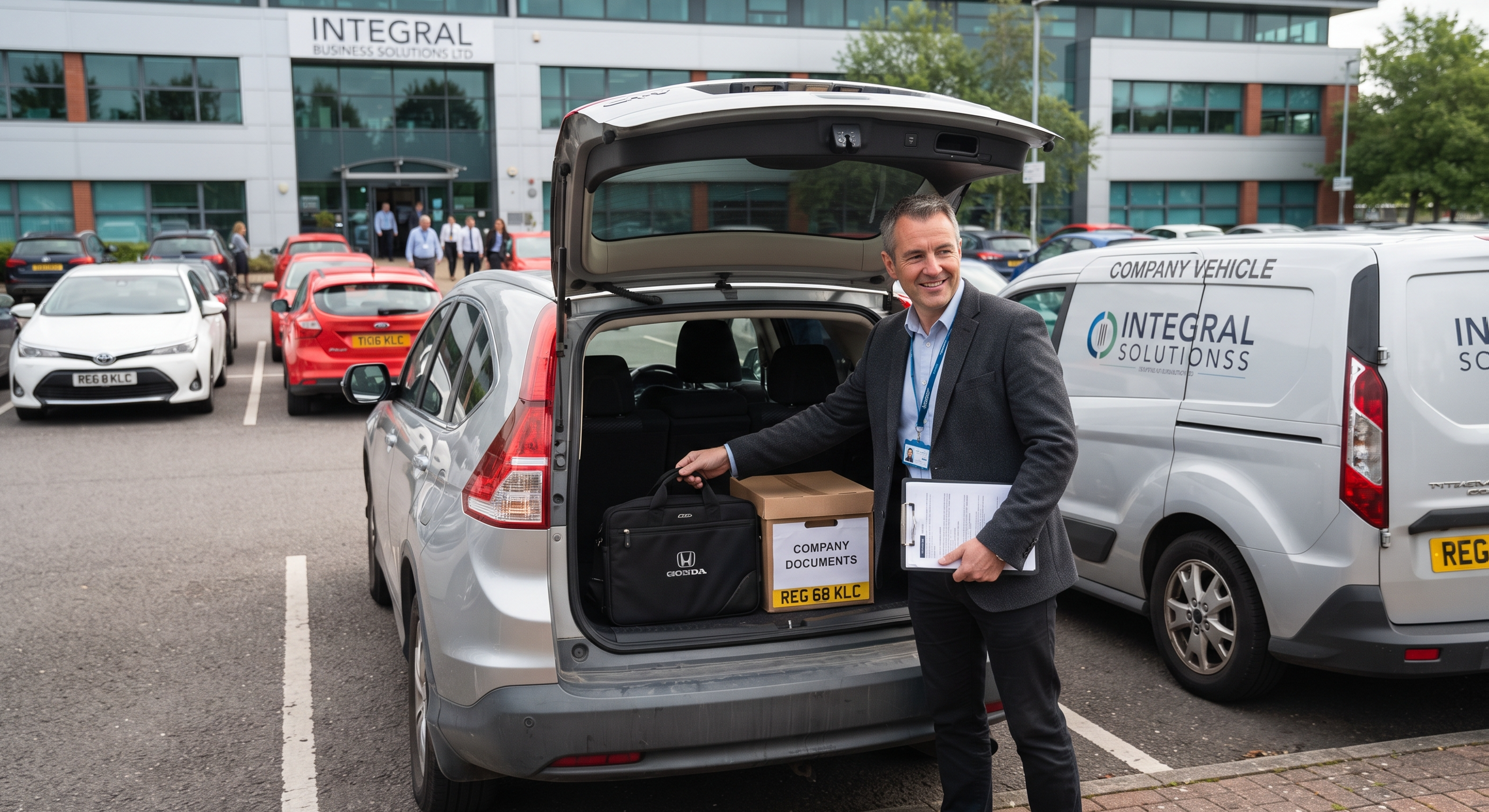
Understanding the Legal Risks and Duty of Care Responsibilities
Many business owners assume that if an employee drives their own car, the company is off the hook for any mishaps.
This is a dangerous misconception. When you investigate what grey fleet is from a legal perspective, you quickly find that the employer is responsible for the safety of the journey regardless of who owns the vehicle.
Under the Health and Safety at Work Act 1974, a personal car used for business travel is legally considered a workplace.
This means you have the same duty of care to ensure that vehicle is safe as you would for a company-owned van or a desk in your office.
The stakes are incredibly high. The Corporate Manslaughter and Corporate Homicide Act 2007 allows for the prosecution of organisations if a gross breach of duty leads to a fatal accident.
This is reinforced by the National Work-Related Road Safety Charter introduced in January 2026, which emphasises that driving for work is a workplace risk requiring board-level accountability.
If an employee is involved in a serious collision whilst driving for work in a poorly maintained personal car, the business can face unlimited fines and severe reputational damage.
Claiming you didn't know the vehicle was in a dangerous condition is not a valid legal defence. Managing a grey fleet effectively requires proactive oversight rather than a hands-off approach.
Ignoring the reality of what a grey fleet is won't protect you in court.
The Insurance Gap and Occasional Business Use
A significant risk lies in the insurance details. Most standard personal policies only cover social, domestic, and pleasure use, which includes the daily commute.
However, they rarely cover business travel, such as visiting a client or attending a conference. If an accident occurs during one of these trips, the insurer may void the claim entirely, leaving the driver and the company exposed to massive liabilities.
You should check employees' insurance certificates at least once a year to confirm that they include specific "business use" cover.
Roadworthiness and the MOT Compliance Challenge
Keeping track of MOTs and service history for dozens of personal vehicles is a logistical nightmare. Unlike a leased fleet with a central maintenance package, grey fleet vehicles are maintained at the owner's discretion.
You must ensure that every car is roadworthy, which goes beyond just checking an MOT certificate. A valid MOT only proves a car was safe on the day of the test.
Regular checks on tyre tread depth and brake condition are essential to stay compliant. Implementing a formal vehicle inspection policy helps document these checks and protects your business from legal scrutiny.
If you find the admin is becoming too much, you can always chat with our experts about smarter fleet management solutions.
Get in touch with the Fleetsauce team
Analysing the True Cost of Employee-Owned Vehicles
Many businesses rely on mileage reimbursement because it feels like a pay-as-you-go model. It seems simple on the surface. However, when you calculate the true cost of grey fleet travel, the numbers often tell a different story.
Under the HMRC Approved Mileage Allowance Payments (AMAP) system for the 2026/27 tax year, you can pay employees 55p per mile for the first 10,000 miles. This rate is intended to cover fuel, insurance, and wear and tear, but it often acts as a financial drain on the company.
If a driver covers 1,000 business miles a month, you are paying out £550 in reimbursement alone.
Beyond the direct payments, the hidden administrative burden is substantial. Manually processing mileage claims involves verifying routes, checking receipts, and ensuring compliance with HMRC rules. This takes valuable time away from your finance team that could be spent on higher-value tasks.
When you factor in the legal responsibility for grey fleets, the cost of auditing every driver's documentation adds even more to the overhead.
For high-mileage drivers, the total cost of these reimbursements often exceeds the monthly cost of a modern lease.
Financial Impact of Mileage Reimbursement
There is a definite tipping point where sticking with a grey fleet becomes more expensive than leasing a vehicle.
If your staff consistently drive more than 800 miles a month for work, the 55p-per-mile rate starts to look inefficient. Rising fuel prices also put pressure on employees, who may feel the standard rate doesn't fully cover their out-of-pocket expenses. This can lead to friction or requests for higher allowances.
A structured approach using electric vehicle salary sacrifice or business leasing provides much better cost certainty for your budget.
Environmental Impact and ESG Goals
The environmental cost is perhaps the most overlooked aspect of what is grey fleet management.
According to BVRLA data, grey fleet vehicles are typically older and produce around 19% more CO2 than the average company car. This makes it incredibly difficult for your business to meet modern ESG (Environmental, Social, and Governance) targets. Because you don't control which vehicles your staff buy, you cannot easily report on or reduce your Scope 3 emissions.
Transitioning to electric car leasing allows you to instantly modernise your fleet whilst drastically improving your green credentials. It is a win for the planet and a win for your corporate image.
get in touch with the Fleetsauce team
Effective Strategies for Managing a Grey Fleet Safely
Managing the risks of employee-owned vehicles doesn't have to be a full-time job if you have the right framework.
Many businesses struggle with grey fleet oversight because they rely on manual processes prone to human error. To move from accidental management to proactive safety, you need a clear three-step strategy.
This starts with a formal policy, moves to rigorous document checks, and finishes with clever automation. By professionalising your approach, you apply the same scrutiny to personal vehicles as to company leases.
Implementing these steps ensures you meet your duty of care whilst protecting your staff and your balance sheet.
This level of control is essential for any modern UK business operating in 2026. If you are ready to take control, you can talk to our specialists about FleetHub today to see how we can simplify your processes.
Implementing a Driving at Work Policy
Your first line of defence is a robust driving-at-work policy. This document should clearly state the minimum standards required for any personal vehicle used for business. You might decide that cars must be under seven years old or have a minimum Euro NCAP safety rating.
It's vital to include rules on maintenance, such as tyre tread depth and regular servicing. Simply having the policy isn't enough; you must obtain a signed declaration from each employee confirming they've read and understood the rules. Review this policy at least once a year to ensure it aligns with the latest UK road safety regulations and your own internal ESG goals.
Using FleetHub to Automate Compliance
Manual spreadsheets often lead to missed MOT dates or expired insurance. This is where fleet management software for SMEs becomes an invaluable ally. Our FleetHub platform acts as a secure, central centre for all your driver data.
It automatically tracks MOT expiry dates, service intervals, and insurance renewals, sending alerts well in advance. This removes the administrative burden from your HR and finance teams, allowing them to focus on business growth rather than chasing paperwork. If you find yourself constantly worrying about missed deadlines, that's a sign you need fleet management software to protect your business.
Automation ensures that what is grey fleet risk today becomes a managed asset tomorrow.
Get in touch with the Fleetsauce team
Moving from Grey Fleet to Structured Business Leasing
Understanding **what **grey fleet risk is is only the first step towards a more resilient business. The ultimate goal for many growing organisations is to move away from the unpredictability of personal vehicles altogether.
By transitioning to business contract hire, you replace a fragmented collection of cars with a modern, managed fleet. This shift provides you with absolute certainty over vehicle safety, maintenance, and environmental impact.
You no longer have to worry about whether an employee's car is roadworthy because you control the lease and maintenance schedule from day one.
Beyond safety, a leased fleet offers a professional image that personal vehicles simply cannot match. Arriving at a client site in a new, well-maintained vehicle sends a strong message about your brand's reliability.
From a financial perspective, leasing transforms volatile mileage claims into fixed monthly costs. Instead of wondering how many 55p-per-mile claims will land on your desk this month, you have a predictable budget that makes long-term planning much easier.
This structured approach significantly reduces the duty-of-care burden on business owners, as the heavy lifting of compliance is handled by professional fleet management.
The Benefits of Salary Sacrifice for Electric Vehicles
If you want to eliminate grey fleet risks without increasing your company's overheads, an EV salary sacrifice scheme is an exceptional tool.
This allows your staff to give up a portion of their gross salary in exchange for a brand new electric car. Because the payment is taken before tax and National Insurance, both the employer and the employee enjoy significant savings.
With the Benefit-in-Kind rate for pure electric vehicles set at 4% for the 2026/27 tax year, it's an incredibly cost-effective way for your team to drive safer, greener vehicles. It effectively modernises your fleet whilst removing the legal headaches associated with what is grey fleet travel.
Choosing the Right Fleet Mix for Your Business
Every company has different needs, and the best strategy often involves a blend of solutions. You might provide company cars for high-mileage sales teams whilst maintaining a small, tightly managed grey fleet for staff who only travel once or twice a year.
Conducting a thorough fleet audit will help you identify which users are costing you the most in mileage reimbursement and where a lease would be more efficient.
We invite you to explore fleet solutions tailored to your company's size and operational requirements. Finding the right balance ensures your business stays mobile, compliant, and profitable.
get in touch with the Fleetsauce team
Take Control of Your Business Transport Today
Managing a business effectively means eliminating hidden risks before they become expensive problems. Now that you understand what a grey fleet is and the legal weight it carries, you can move from accidental management to a professional strategy.
By implementing a robust policy and exploring structured alternatives like business leasing, you protect your staff whilst securing your bottom line. You don't have to tackle this transition alone.
Our team brings over 15 years of UK fleet management experience to your side. We provide the tools you need to succeed, from our dedicated FleetHub software for automated compliance tracking to expert guidance on electric vehicle salary sacrifice .
So, whether you want to refine your current checks or replace personal cars with a managed fleet, we have the expertise to help you grow.
We are here to demystify the process and find the perfect fit for your company's unique needs.
Speak to our fleet experts about managing your grey fleet today
Let's work together to make your business journeys safer, greener, and more cost-effective than ever before.

Frequently Asked Questions
Is it legal for employees to use their own cars for work in the UK
It is perfectly legal for UK employees to use their own cars for business trips, provided the employer meets their legal duty of care.
You must ensure the vehicle is roadworthy and the driver is properly insured for work purposes.
Under the Health and Safety at Work Act 1974, you are responsible for the safety of the journey just as if they were in a company-owned vehicle.
Does standard car insurance cover business travel for grey fleet drivers?
Standard personal car insurance typically only covers social, domestic, and pleasure use, which includes the daily commute. It does not cover business travel such as visiting clients or attending off-site meetings.
If an employee drives for work without specific business-use coverage, their insurance is void. You should verify their insurance certificates annually to prevent this significant risk.
What are the HMRC mileage rates for business travel in 2026?
For the 2026/27 tax year, the HMRC tax-free approved mileage rate is 55p per mile for the first 10,000 miles. After this threshold, the rate drops to 25p per mile for cars and vans.
These rates are designed to cover the total cost of running the vehicle, including fuel and depreciation. Accurately tracking this is vital to your business tax returns and profit margins.
What documents must an employer check for grey fleet compliance?
Employers must verify four key documents to ensure compliance when managing a grey fleet. These include a valid UK driving licence, an insurance certificate with business use cover, a current MOT, and proof of regular servicing.
Using software like FleetHub can help you automate these checks and store the records in one secure place. This reduces the admin burden on your HR and finance teams.
What is the difference between a grey fleet and a company car?
The primary difference is ownership and the level of corporate control. A grey fleet consists of vehicles owned and maintained by employees, whereas a company car is leased or owned by the business.
With a company car, you have direct control over safety features, maintenance schedules, and branding. This level of oversight is often lost with personal vehicles used for work.
How can I reduce the size of my company grey fleet?
You can reduce your grey fleet by offering structured alternatives, such as an electric-vehicle salary-sacrifice scheme or Business Contract Hire.
These options often prove more cost-effective for high-mileage drivers than paying 55p per mile in reimbursement. Conducting a fleet audit helps identify which staff would benefit most from moving to a managed vehicle.
This transition improves your safety standards and budget certainty.
What happens if a grey fleet driver has an accident whilst working?
If a driver has an accident whilst working, your business could be held liable if you haven't performed necessary safety checks.
Under the Corporate Manslaughter Act, a gross breach of duty regarding vehicle safety can lead to unlimited fines. This is why understanding what grey fleet risk is so critical for business owners.
You must prove that you took reasonable steps to ensure the vehicle was safe.
How does grey fleet usage affect a company's carbon footprint?
Grey fleet usage typically increases a company's carbon footprint because personal vehicles are often older and less efficient than new leased cars. It also makes reporting on Scope 3 emissions difficult, as you don't have direct access to the specific CO2 data for every car.
Moving to electric car leasing is the fastest way to lower these emissions and meet ESG goals. Identifying what is grey fleet impact on your sustainability is a key part of modern management.

Guide Verified & Audited By
Director at Fleetsauce
Why Choose Fleetsauce?
At Fleetsauce, we specialise in helping SMEs find the right car leasing solutions — not just the cheapest leasing deal.
With access to a wide range of leasing funders and hundreds of franchised dealerships across the UK, we find the best leasing deals and vehicle availability for your business and employees.
You’ll work directly with an expert dedicated account manager who understands the needs of companies — offering expert advice with a friendly, professional approach that you can always call directly.
With a five-star rating from Trustpilot, we are proud of our reviews and is evidence that we look after our new and existing customers.
Whether you're managing one vehicle or a fleet, we make business leasing simple, flexible, and cost-effective.


What our customers say...

Friendly professional service.
Fleetsauce are easy to deal with and will go the extra mile to find the right vehicle within budget. Great contact from Artur and Caitlin

I recently leased a Jaecoo from Fleet Sauce and I'm very happy with it so far!
Leased a Jaecoo 5